How European Casino Resorts Use Branded Merch to Reward Loyalty
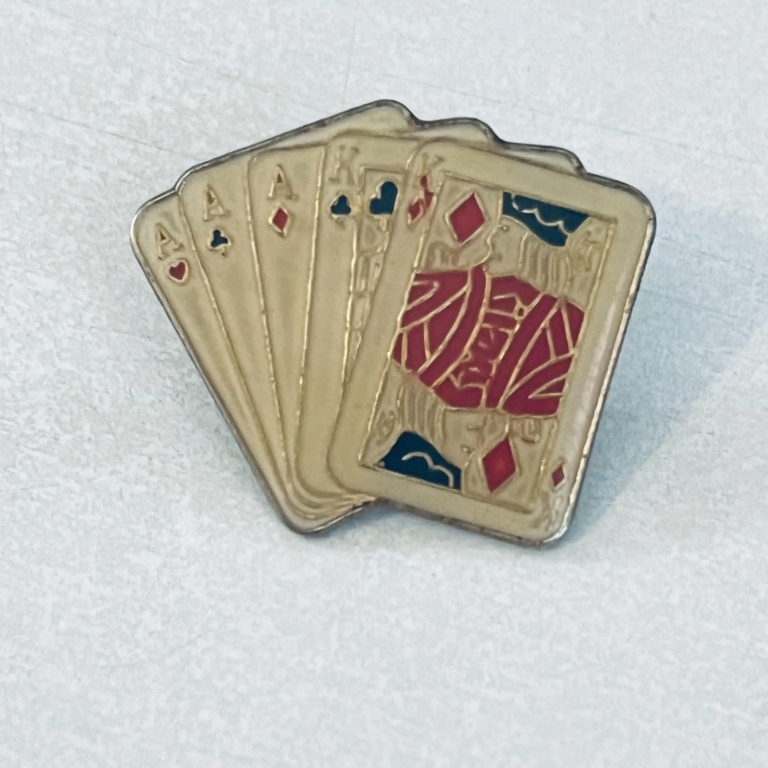
Forget the generic keyring; at Europe’s premier casino resorts, loyalty is now rewarded with highly collectible, limited-edition pins and patches that tell a story. This strategic shift moves beyond transactional comps, transforming players into brand ambassadors. For the discerning collector, these items represent more than a night at the tables—they are wearable trophies, pieces of art, and a passport into an exclusive community. This article delves into how the casino industry across the UK and Europe is mastering this art form, turning casino merchandise into coveted slot machine collectibles and beyond.
From Chips to Collectibles: The Evolution of Casino Loyalty
The traditional model of casino loyalty was built on ephemeral perks: free drinks, meal vouchers, or discounted room rates. While effective, these offers lacked a lasting physical presence. The evolution began with player cards, but has since leapt into the tangible realm. Forward-thinking resorts recognised the power of a physical token that persists long after the chips are cashed in. This shift mirrors broader consumer trends valuing experiences and unique goods. Now, rather than just a points statement, a high-tier player might receive an exclusive enamel pin set commemorating the resort’s anniversary or a patch celebrating a major tournament win. This transforms the loyalty programme from a purely transactional system into a curated collection journey, building a narrative around the player’s patronage at venues from the glitter of London to the elegance of Monte Carlo.
The Psychology Behind Merchandise as a Reward
Why does a physical pin or patch resonate more deeply than bonus points on a screen? The answer lies in fundamental human psychology. Digital points are abstract and easily forgotten, but a beautifully crafted item engages the senses, creates memory anchors, and fosters a profound sense of ownership.
Creating Tangible Brand Attachment
This is where the endowment effect comes into play. People ascribe more value to items simply because they own them. A casino-themed pin, once received, becomes ‘theirs’ in a way digital credits never can. It’s a concrete piece of the resort’s brand that they can hold, display, and treasure. This physicality forges a stronger emotional connection, turning the brand from a service provider into a part of the individual’s identity and story.
The Badge of Honour: Wearing Your Loyalty
Merchandise like pins and patches also serve as powerful tools for visible status signalling. Wearing a rare pin from an exclusive high-roller event is a subtle but potent badge of honour. It communicates insider status, taste, and achievement to a community that understands its significance. This public display deepens the wearer’s commitment to the brand and fosters instant recognition and camaraderie among fellow collectors, creating a visible tribe of loyal patrons.
Spotlight on European Resort Strategies and Collections
Across Europe, casinos are deploying this strategy with distinct regional flair, creating unique collectibles that reflect their heritage and clientele.
UK High-Stakes Collectibles: The Hippodrome & Aspers
In the heart of London’s West End, The Hippodrome Casino has mastered the art of the collectible release. They produce meticulously designed, limited edition enamel pin series that often celebrate London’s iconography or the casino’s own rich history in the iconic building. These releases generate significant buzz, with players eager to complete full sets. Meanwhile, UK giant Aspers has integrated patches into its loyalty mechanics, particularly at its flagship venues like Aspers Casino in Stratford, Westfield. These patches act as achievable, tiered rewards within their scheme, offering a tangible and wearable representation of a player’s level and activity, perfectly suited for display on a jacket or bag.
Continental Flair: Baden-Baden and Monte Carlo
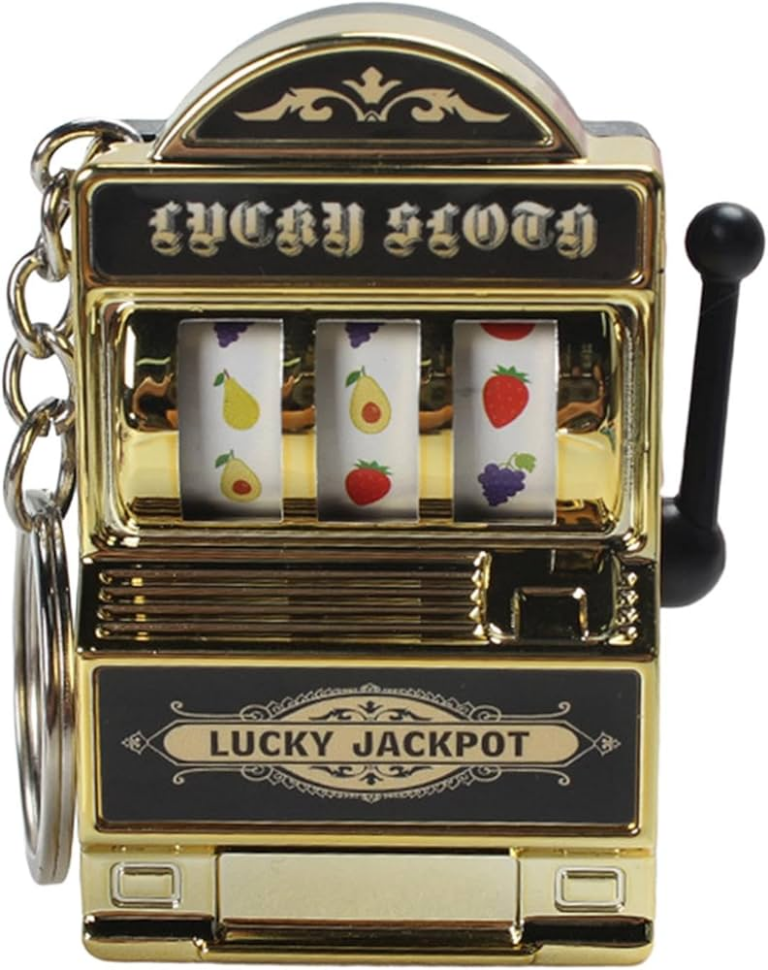
On the continent, the approach blends opulence with thematic collecting. At Germany’s historic Casino Baden-Baden, the focus often leans into exquisite slot machine collectibles. These might be miniature enamel replicas of classic fruit symbols or elegant renditions of the casino’s famed architecture, appealing to those who appreciate the machine’s artistry as much as the game. In Monte Carlo, the merchandise embodies timeless luxury, with pins and items that serve as sophisticated souvenirs of the Riviera lifestyle, ensuring the brand’s allure extends far beyond the gaming floor.
Designing Pins and Patches That Players Crave
The success of this strategy hinges entirely on the desirability of the items. Casinos and their design partners have become adept at creating objects of genuine desire.
The Allure of Limited Editions and Series
Scarcity is a powerful driver. By releasing pins in numbered limited edition enamel pin series, resorts create urgency and exclusivity. Tiered releases are common, where a base design is available to many, but rarer, more intricate variants (different colourways, precious metal plating) are reserved for top-tier loyalty members. This not only rewards high play but also fuels the collector’s drive to ‘catch them all,’ ensuring ongoing engagement with the loyalty programme.
Iconography: Slot Reels, Chips, and Architectural Motifs
The design language is crucial. Successful casino merchandise draws directly from the environment’s rich visual tapestry. Key motifs include:
- Classic slot machine symbols: Cherries, bells, BARs, and lucky 7s rendered in vibrant hard enamel.
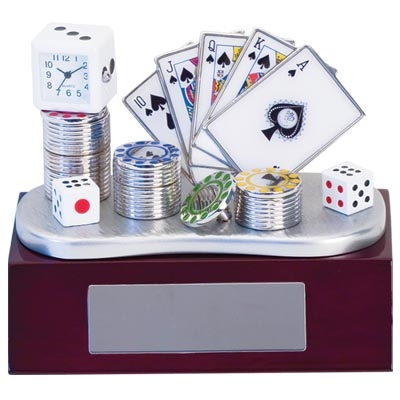
- Gaming essentials: Stylised poker chips, playing card suits, dice, and roulette wheels.
- Architectural signatures: The distinctive façade of the casino itself, like The Hippodrome’s dome or Baden-Baden’s Kurhaus.
- Local flavour: Icons of the city or region, tying the casino’s identity to its prestigious location.
Building Community and Fandom Beyond the Casino Floor
The true power of this merchandise is its ability to build a lasting community that operates independently of the casino floor. The collectible becomes a social object.
From Player to Collector: The Secondary Market
Highly sought-after pieces often develop a vibrant secondary market on platforms like eBay or dedicated Facebook groups. This secondary market validates the item’s cultural value, creates a pricing narrative, and actually enhances the brand’s prestige. A player might start collecting for the loyalty benefit but soon finds themselves part of a network of traders and enthusiasts.
Meetups, Swaps, and Expo Culture
This community finds its physical epicentre at events like the Patches and Pins Expo events in the UK. Here, collectors from the casino world meet enthusiasts from other niches to trade, sell, and celebrate their shared passion. A pin from the Hippodrome might be swapped for a military patch, introducing the casino brand to entirely new audiences. These expos transform individual collectors into a cohesive fandom, extending the resort’s marketing reach exponentially and turning its merchandise into a currency of cool.
Ultimately, we see that in the competitive European market, a well-designed pin is more than a trinket—it’s a strategic loyalty asset that builds a lasting, wearable connection with the brand. It forges emotional bonds, signals status, and cultivates a passionate community, ensuring the casino remains in the player’s mind—and on their lapel—long after they’ve left the property.